
 admin
German Shepherds
German Shepherds are known for their intelligence, strength, and versatility, but one of their most defining traits is their strong prey drive. This natural instinct stems from their history as herding and working dogs, where they were bred to chase, control, and respond to movement with precision and focus. The prey drive in a German Shepherd is an essential part of their working ability, making them excellent candidates for protection work, police and military service, and high-level obedience training.
Working Line German Shepherd puppies, bred from world-class, champion WUSV winners paired with top IPO/IGP 3 titled stud dogs, inherit an even stronger drive due to their carefully selected genetics. This ensures they have the determination and focus required for demanding roles, whether as family companions, personal protection dogs, or highly trained guard dogs. A German Shepherd prey drive can manifest in different ways, depending on their training, environment, and socialization.
Puppies often exhibit prey-driven behaviors such as chasing moving objects, pouncing on toys, or focusing intensely on fast-moving animals. While this instinct is natural, proper training and structure are necessary to channel it productively. Working Line German Shepherds, in particular, have been bred for high-energy tasks, meaning their prey drive is even more pronounced. However, with early training and clear boundaries, this drive can be refined into skills useful for obedience, protection work, and even search-and-rescue operations.
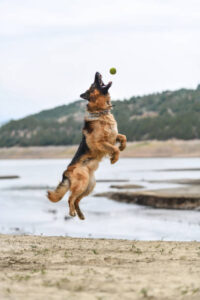
Do German Shepherds have strong prey drives?
One of the main reasons German Shepherds excel in protection work is their ability to harness their prey drive in a controlled manner. Unlike uncontrolled chasing or impulsive reactions seen in some high-drive breeds, a well-trained German Shepherd can focus their energy and instincts toward a task. Whether it’s apprehending a suspect in police work, detecting threats as a personal protection dog, or responding to commands with precise timing, their prey drive fuels their ability to perform under pressure. This is why responsible breeders of Working Line German Shepherds meticulously plan their breeding programs, ensuring that each puppy possesses the ideal balance of drive, intelligence, and stability.
Despite their strong prey drive, German Shepherds can coexist with other animals when properly trained and socialized. Early exposure to different environments, controlled introductions to smaller pets, and consistent obedience training help shape their behavior. A well-trained German Shepherd understands the difference between work mode and relaxed companionship, allowing them to interact safely with other animals in a home setting. For owners seeking a reliable and highly trainable dog, the Working Line German Shepherd is an excellent choice, as they thrive when given clear guidance and purposeful activities.
Ultimately, the strong prey drive in a German Shepherd is a valuable trait that enhances their abilities as working dogs. With the right training and structure, this natural instinct can be transformed into disciplined skills that make them exceptional companions, protectors, and performers in specialized fields. Whether looking for a family pet, a personal protection dog, or a serious trained guard dog, understanding and managing their prey drive is key to unlocking the full potential of a Working Line German Shepherd.


