
 admin
How is Rigid Flex Compatible with High-Current Applications?
In the world of electronics, the demand for compact, reliable, and high-performance devices is constantly growing. As technology advances, so do the requirements for circuit boards that can handle higher power demands without compromising on size or flexibility. Rigid flex printed circuit boards (PCBs) have emerged as a solution to these challenges, particularly in high-current applications where power management and reliability are crucial. So, how is rigid flex compatible with such applications? Let’s dive into the details.
What Makes Rigid Flex Ideal for High-Current Applications?
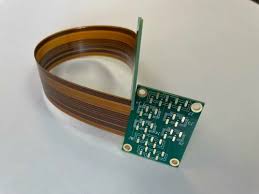
Rigid flex PCBs combine the best features of both rigid and flexible PCBs, integrating them into a single, versatile structure. This hybrid approach offers significant advantages when dealing with high-current applications, which require both conductivity and durability. The ability of rigid flex circuits to deliver high performance in challenging environments stems from several key factors.
1. Improved Heat Dissipation
One of the primary concerns in high-current applications is heat generation. As current flows through a circuit, it inevitably produces heat, which can degrade performance and even damage components if not managed properly. Rigid flex PCBs are designed to manage heat more effectively than traditional circuit boards.
The rigid areas of a rigid flex board provide excellent heat dissipation, while the flexible areas allow for optimized routing, reducing the overall surface area that needs to be cooled. Additionally, rigid flex boards can incorporate heat sinks or thermal vias, which direct heat away from sensitive components and ensure better thermal management. This is especially important in applications such as power supplies, automotive electronics, and high-performance computing, where maintaining low temperatures is crucial.
2. Enhanced Current-Carrying Capacity
Another advantage of rigid flex in high-current applications is its ability to handle larger currents without the risk of overheating or electrical failure. The high-density interconnects (HDI) used in rigid flex designs allow for thicker copper traces, which can carry more current compared to traditional PCB designs. By increasing the trace width or utilizing multi-layer designs, rigid flex PCBs can manage higher current loads more effectively.
Moreover, rigid flex PCBs can be customized to include multiple layers of copper for power distribution, ensuring that high currents are evenly distributed across the board. This flexibility makes rigid flex boards ideal for high-current applications like electric vehicles, power converters, and industrial equipment, where efficient current management is essential.
3. Robust Construction for Durability
High-current applications often expose circuits to extreme conditions such as vibration, temperature fluctuations, and mechanical stress. Rigid flex PCBs offer superior durability due to their hybrid design. The combination of rigid and flexible sections allows the board to withstand mechanical stresses better than traditional rigid boards. The flexible parts can bend or move without breaking, which is particularly useful in applications that involve constant movement or exposure to harsh environments, such as in aerospace, automotive, or wearable electronics.
The rigid flex design ensures that the board remains structurally sound even under high-stress conditions, preventing damage to the circuit and ensuring long-term reliability. This makes rigid flex an excellent choice for high-current applications in challenging environments.
4. Miniaturization Without Compromising Performance
In high-current applications, space constraints are often a significant consideration. Rigid flex PCBs allow manufacturers to design compact, high-performance circuits that still meet the required current-handling specifications. The flexibility of rigid flex technology enables manufacturers to create circuits that conform to the shape and size of the device, reducing the overall footprint of the PCB. This is particularly important in industries like medical devices or consumer electronics, where space is at a premium but high power needs must still be met.
By integrating both rigid and flexible elements into a single circuit board, rigid flex reduces the need for multiple connectors or interconnects, which not only saves space but also reduces the potential for connection failures in high-current applications.
5. High Reliability and Longevity
High-current applications place significant strain on PCBs, making reliability and longevity vital factors. Rigid flex PCBs are known for their high level of reliability, even in extreme conditions. Their robust construction, combined with efficient heat management and current-handling capabilities, ensures that these boards can perform consistently over time.
In applications like power management systems, industrial equipment, and renewable energy systems, where system failures can result in costly downtime, the high reliability of rigid flex is a significant advantage. The long lifespan and durability of rigid flex boards make them an excellent choice for mission-critical applications that require uninterrupted operation.
Conclusion
Rigid flex technology has proven to be an excellent solution for high-current applications that demand power, efficiency, and reliability. With their superior heat dissipation, enhanced current-carrying capacity, durability, and space-saving design, rigid flex PCBs are capable of meeting the complex requirements of industries like automotive, aerospace, power systems, and consumer electronics. As the demand for smaller, more powerful devices continues to rise, rigid flex will remain a key player in enabling high-current applications that do not compromise on performance or reliability.

